How to Bring Charlie and the Chocolate Factory to Life: A Year 4 Chocolate Workshop
What better way to bring Charlie and the Chocolate Factory to life than with chocolate?
I recently visited a group of Year 4 children who were studying Roald Dahl’s classic story as part of their English curriculum. We turned their classroom into a little chocolate laboratory for the day, combining the story with chocolate tasting, science, geography and, of course, plenty of chocolate tasting .
I began with a very important question: What is your favourite chocolate bar?
There were plenty of opinions! for some it was a twix , milk chocolate , chrunchie or a Mars bar The children then became chocolate tasters, sampling three different types of chocolate — white, milk and dark — and comparing their flavours, textures and aromas. We talked about why different chocolates taste different and what happens to cacao as it is transformed into the chocolate we know and love.. I also explained the difference between confectionery chocolate and the chocolate we would be using during the workshop. We looked at the ingredients and discussed how good-quality chocolate contains cocoa butter rather than vegetable fats.
From the cacao rainforest to the chocolate bar
Next, I took the children on a journey to where chocolate really begins — the cacao rainforest. Using a multimedia presentation, I showed the children what a cacao-growing region looks like and explained how cacao is grown, harvested and processed. This is one of my favourite parts of visiting schools because I can share footage that I filmed myself while taking part in a cacao harvest in Ecuador. The children were fascinated to see real cacao pods being cut open and to discover what is inside.
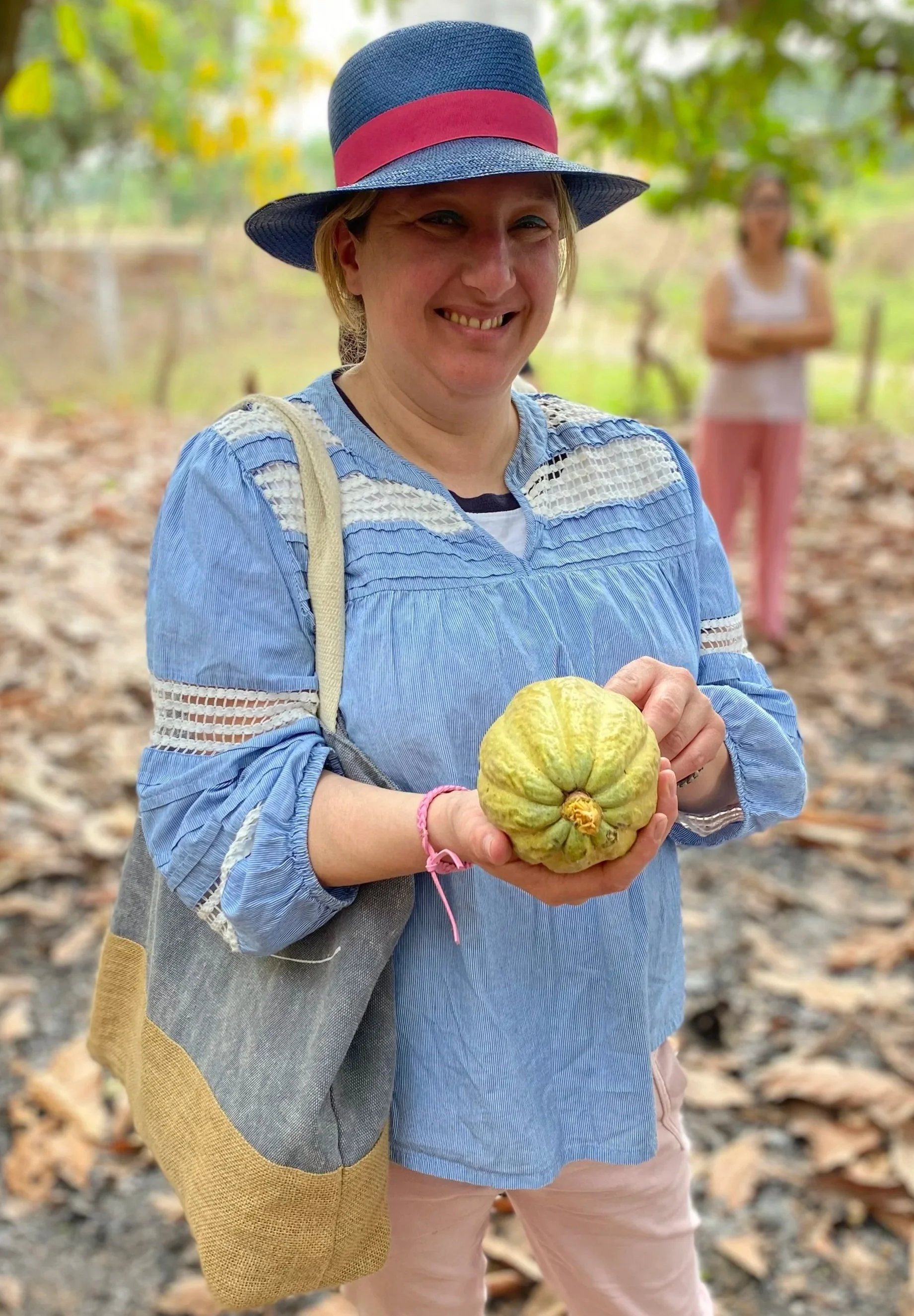
I was able to explain what fresh cacao pulp tastes like and describe the flavours I experienced when I was there. Seeing the cacao pod on screen helped them make the connection between the tropical rainforest and the chocolate bar they had just been tasting. They could see its journey from cacao pod to chocolate.
Then it was time for the science!
Tempering chocolate is a wonderful way to introduce children to states of matter because they can actually see and experience the changes happening in front of them.
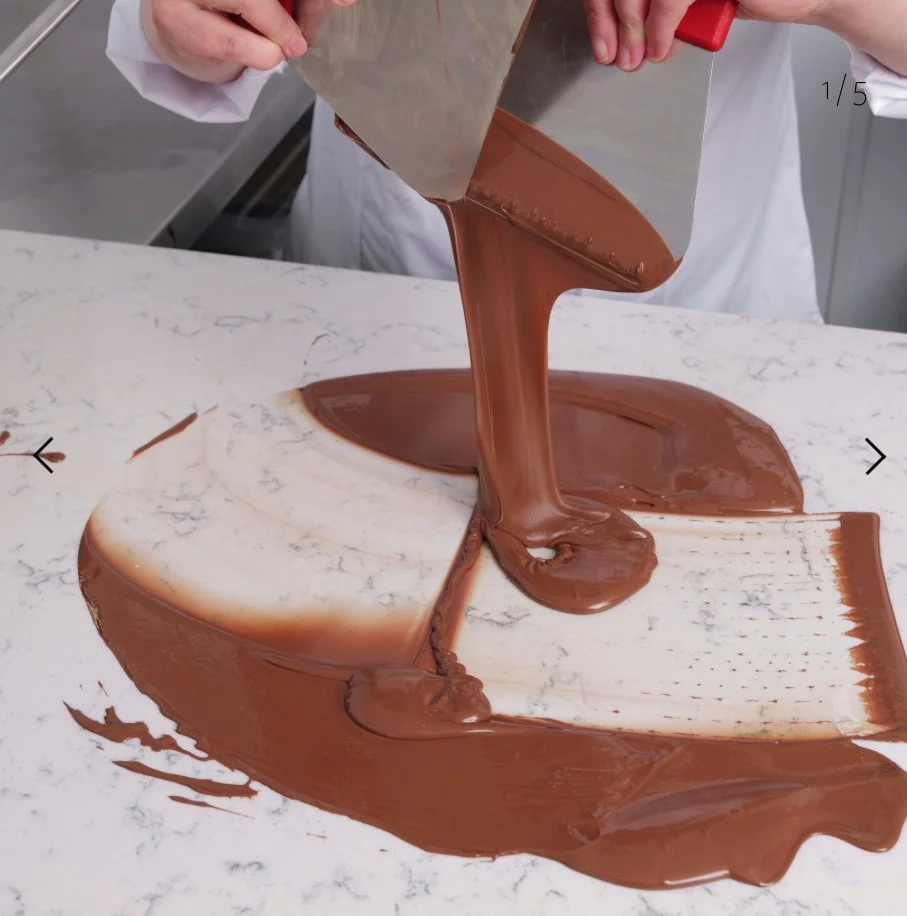
We looked at what happens when chocolate is heated and becomes liquid, and then how carefully controlling the temperature allows us to create chocolate that sets with a beautiful shine and satisfying snap. This is what I love about chocolate workshops in schools — learning doesn’t always have to happen with a textbook and a worksheet. Sometimes the best way to understand science is to get your hands covered in chocolate.
Making chocolate pizzas!
The children created their own chocolate pizzas and used their imaginations to decorate them.This brought together everything we had explored during the workshop — chocolate, creativity, food technology and design — while giving the children something delicious to take home. Bringing the book into the classroom For me, this is what makes a school chocolate workshop so special.
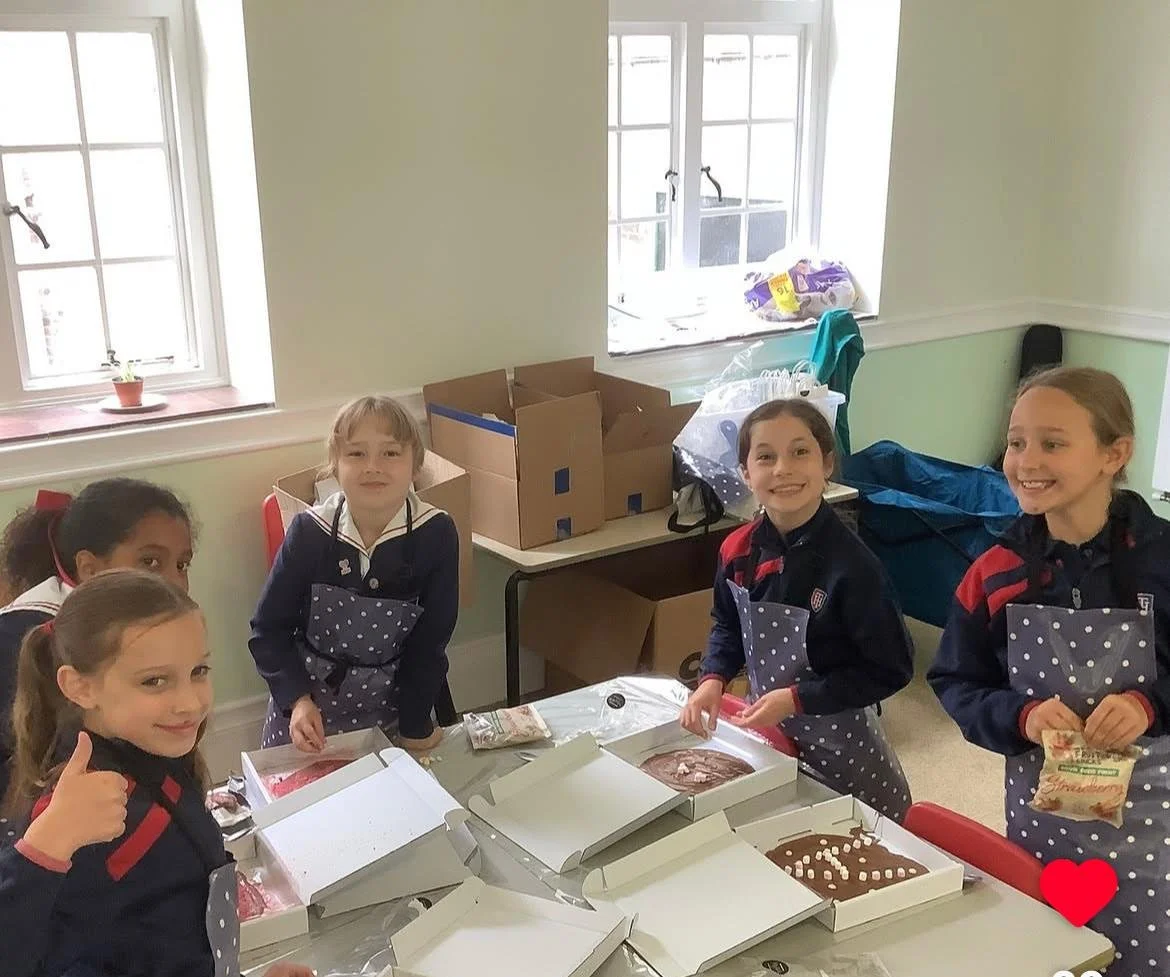
After Students learn all about the process of chocolate they get creative and make their chocolate pizzas.
A book like Charlie and the Chocolate Factory gives children an incredible starting point for exploring other areas of learning. Chocolate can open the door to science, geography, English, food technology, sustainability and creativity.
My Key stage 1 and 2 Chocolate Workshop For You School
Need To know Prices start from £10 , a student based on a class of 30 + for smaller classes there is a slight price increase.
A downstarirs class room and a parking space as close to the school as possible. I am fully insured and have Pat testing on all equipment. i have a enchaned DBS check and on the update service. to book your workshop head over to Schools Visits page